CHEETAHS
Fast, but rarely flat out
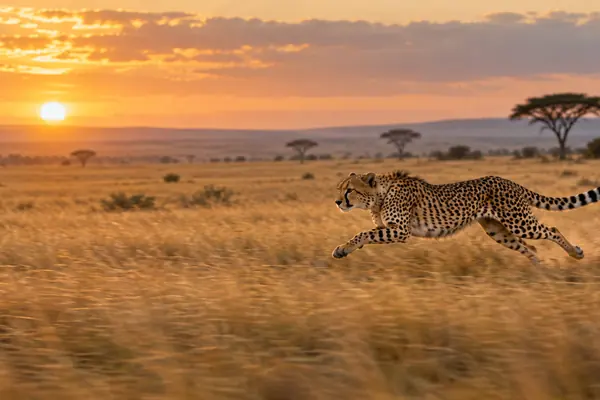
Across 367 tracked runs by wild cheetahs in Botswana, the average top speed was 14.9 m/s, well short of the 29 m/s recorded in captivity. Acceleration and braking mattered more.
See the numbers doodlechase
Start
WHAT THE TRACKING STUDIES SHOW
The fastest runner does not always win.
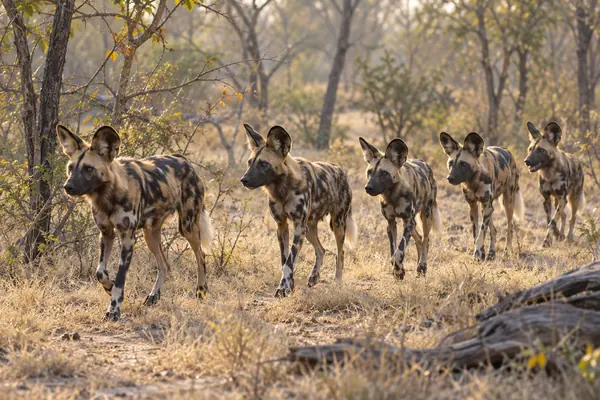
Researchers fitted wild cheetahs, lions, zebras, impalas and African wild dogs with tracking collars and filmed dragonflies at high speed. The results show chases are won by acceleration, braking and turns, and lost by prey that dodge at the right moment.
BRAKE AND TURNthe hidden skills
Compare huntersKeep in mind
THE SHORT ANSWER
Tracking collars and high-speed cameras
show three very different ways to catch a meal.
CHEETAHS
Across 367 tracked runs by wild cheetahs in Botswana, the average top speed was 14.9 m/s, well short of the 29 m/s recorded in captivity. Acceleration and braking mattered more.
See the numbersWILD DOGS
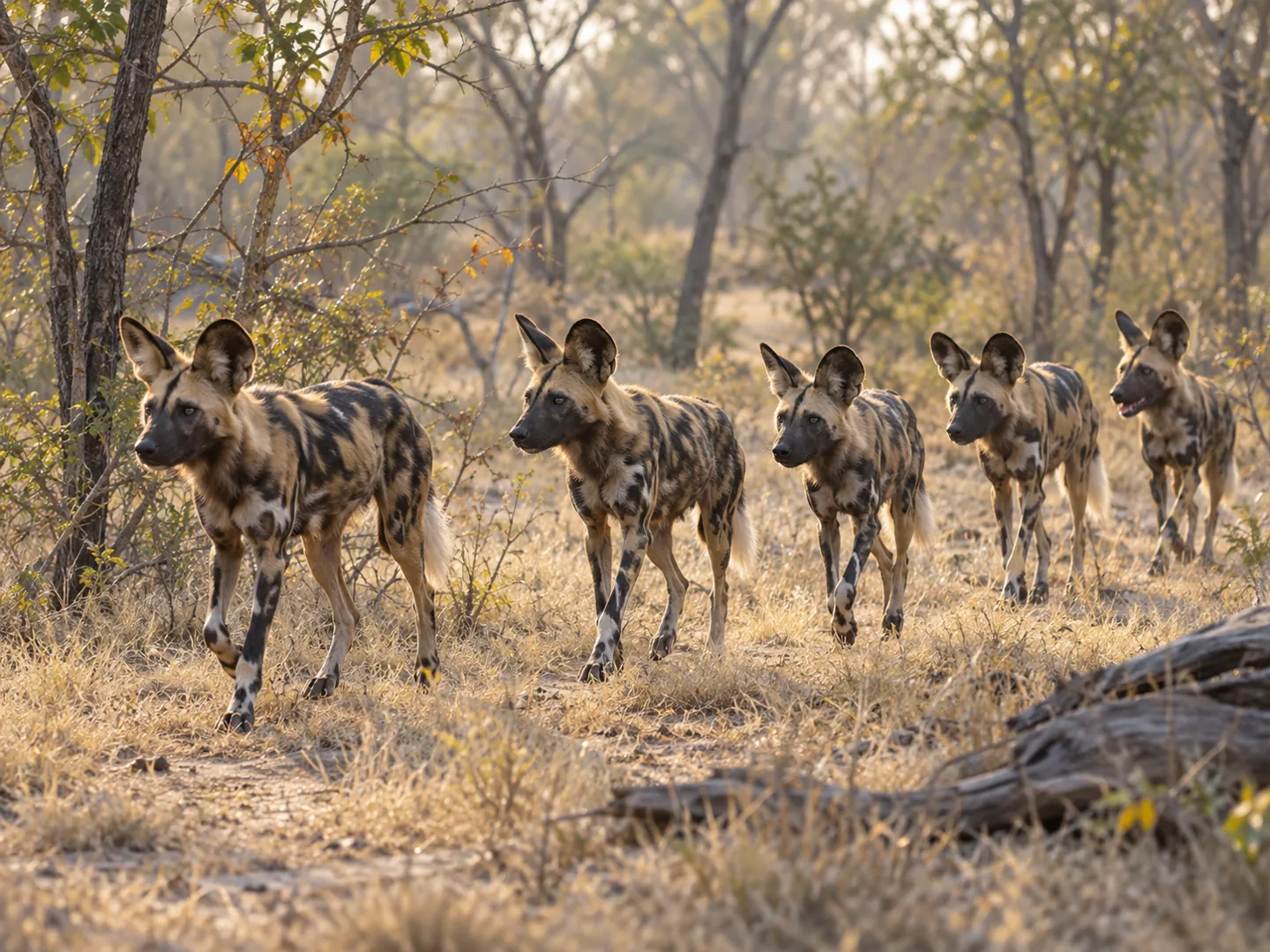
A collared pack of six wild dogs made 1,119 chases, with a median chase of about 324 m. Most failed, but the energy from hunting and feeding as a group outweighed the cost of the chases.
Compare huntersDRAGONFLIES
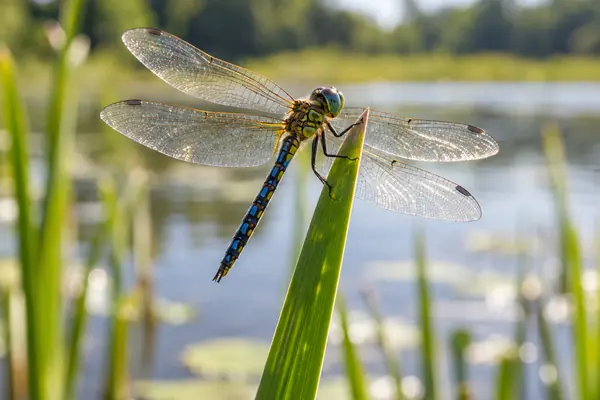
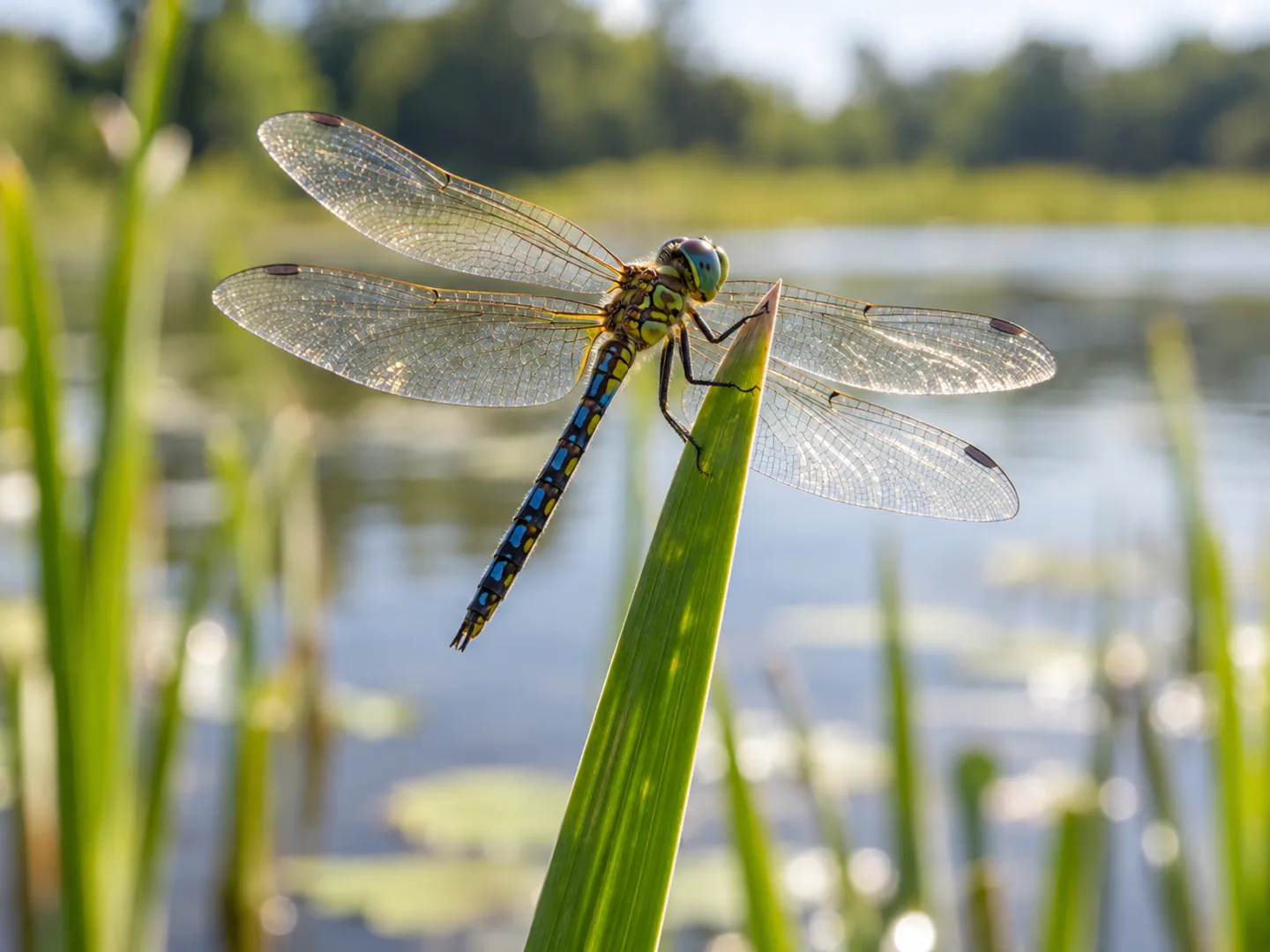
In an outdoor study of dragonflies hunting fruit flies, each insect's median daily success rate was 83% to 95%. The flies rarely tried to dodge.
How prey escapeA QUICK HUNTER CHECK
Pick a hunter to see how often a chase ends in a catch in the studies below. The bar shows the success rate, from low to high.
Success rates are from single study sites and differ by habitat, prey and how a kill is counted.
TWO NUMBERS WORTH KNOWING
One figure on how fast wild cheetahs really run,
one on how predators out-stop their prey.
14.9 m/s
Average top speed in tracked hunts
Five collared cheetahs in Botswana reached top speeds of 20.1 to 25.9 m/s over 367 runs, but most hunts were at moderate speeds, averaging a top speed of 14.9 m/s.
WILD CHEETAHS · 2013 STUDY
72% better
Predators' extra braking power
Comparing cheetahs with impalas and lions with zebras, the predators were 38% faster, 37% better at accelerating and 72% better at decelerating than their prey.
PREDATOR VS PREY · RVC 2018
The same collar study found cheetah acceleration power of up to 120 watts per kilogram, about double that of the swiftest greyhounds.
HOW PREY FIGHT BACK
If predators are faster and stronger, how does prey ever escape? The tracking studies point to a few tactics, and to their limits.
Step 1
Simulations from the RVC study showed that hunts at lower speeds let prey use their full turning ability, favouring survival.
Step 2
At slower speeds prey have more options to dodge and change direction, which makes them harder to follow.
Step 3
Every sharp turn forces the hunter to slow down and accelerate again, which is why braking and acceleration matter so much.
Step 4
Fruit flies chased by dragonflies rarely made evasive moves, and were rarely successful at escaping.
THE ARMS RACE
Royal Veterinary College researchers collared five cheetahs, nine lions, seven zebras and seven impalas in northern Botswana and tested their muscle fibres. Predator muscle was about 20% more powerful than their prey's.
Their simulations suggest a predator has to be more athletic than its prey just to keep a workable success rate, because prey can always slow the chase down and turn.
Questions
Captive cheetahs running in a straight line have reached up to 29 metres per second, nearly 105 km/h. Wild cheetahs tracked during hunts in Botswana peaked at 20.1 to 25.9 m/s.
No. In 367 tracked runs, most hunts involved moderate speeds, with an average top speed of 14.9 m/s. Acceleration, braking and quick turns were central to their success.
A study of a collared pack found each dog's chases mostly failed, but several dogs hunting at once raised the pack's kill rate, and sharing food made frequent short chases worth the energy.
Dragonflies are among the most successful measured. In one study, dragonflies hunting fruit flies had median daily success rates of 83% to 95%.
Research on lions, zebras, cheetahs and impalas found slower chases favour prey, because prey can then use their full ability to dodge and change direction.
Destination
Updated
ABOUT THIS NAME
doodlechase.com is part of the DoodleSale portfolio. It isn't in an auction right now, but you can ask about leasing it.